Multimodal AI: How Models That See, Hear, and Reason Are Transforming Business in 2026
- Internet Pros Team
- February 26, 2026
- AI & Technology
For decades, artificial intelligence operated in silos. One model processed text. Another recognized images. A third transcribed speech. Each was powerful in isolation but blind to everything outside its narrow domain. In 2026, that era is over. Multimodal AI — models that simultaneously understand and generate text, images, audio, video, and structured data — has become the defining breakthrough of the year. From GPT-4o and Gemini 2.0 to Claude's vision capabilities and Meta's Llama 4, the leading AI systems now perceive the world much like humans do: through multiple senses at once. The business implications are enormous and already reshaping industries from healthcare to retail.
What Is Multimodal AI and Why Does It Matter Now?
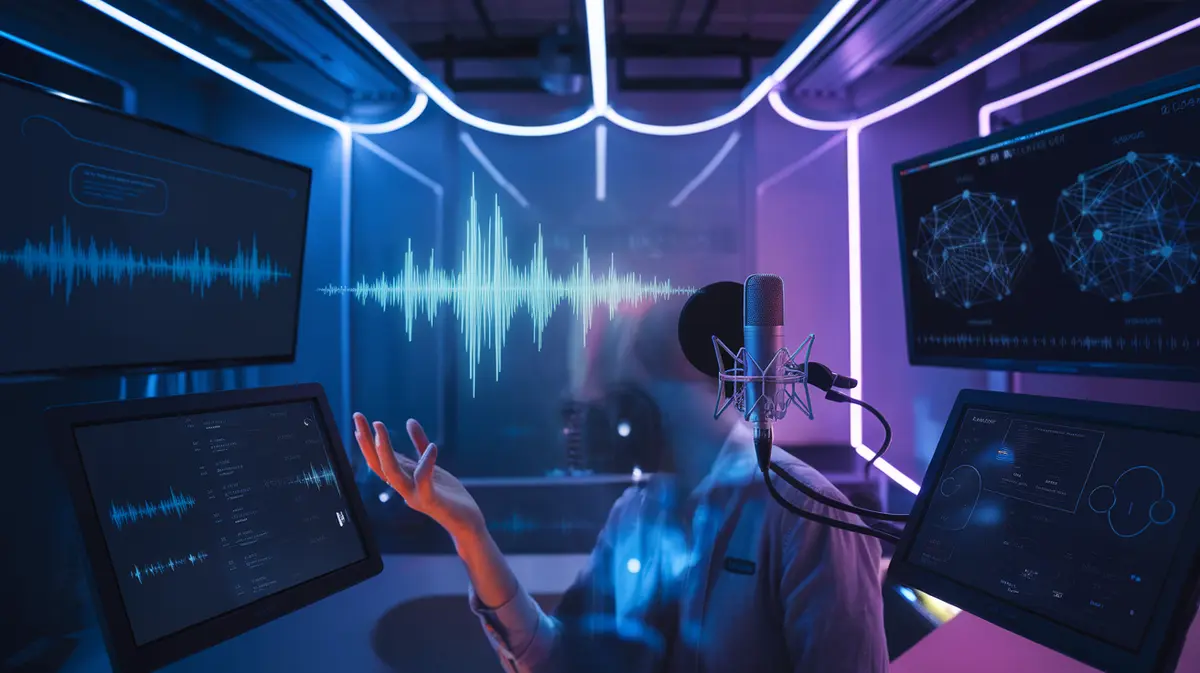
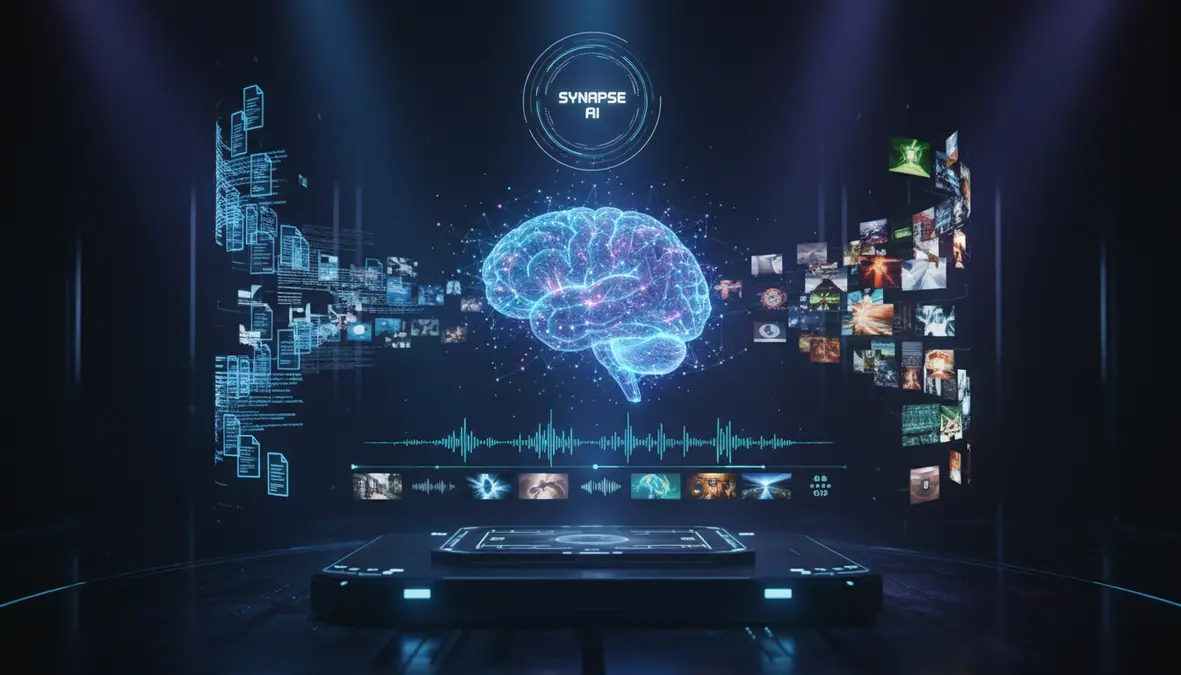
Multimodal AI refers to models that can process and reason across multiple types of input — called modalities — within a single interaction. Rather than using separate systems for text analysis, image recognition, and speech processing, a multimodal model handles all of them together. You can show it a photograph and ask a question about it in natural language. You can feed it a video clip and receive a written summary. You can give it a spreadsheet, a scanned document, and a voice memo, and it will synthesize insights from all three simultaneously.
The technical foundation rests on transformer architectures that have been extended to encode visual tokens, audio spectrograms, and video frames alongside text tokens in a shared embedding space. This allows the model to draw cross-modal connections — understanding that a spoken word, its written form, and an image depicting the concept all refer to the same thing. The result is AI that understands context the way humans do: holistically, not in fragments.
| Model | Developer | Modalities | Key Strength |
|---|---|---|---|
| GPT-4o | OpenAI | Text, Image, Audio, Video | Real-time voice + vision reasoning |
| Gemini 2.0 Flash/Pro | Google DeepMind | Text, Image, Audio, Video, Code | Million-token context, native multimodality |
| Claude Opus 4.6 | Anthropic | Text, Image, Documents, Code | Document analysis, coding, safety |
| Llama 4 Maverick | Meta | Text, Image, Video | Open-source, on-premise deployment |
| Grok 4 | xAI | Text, Image, Real-time Data | Live data integration, reasoning |
The Capabilities That Changed Everything
Multimodal AI in 2026 goes far beyond simple image captioning or speech-to-text. These systems reason across modalities in ways that unlock entirely new workflows:
Visual Reasoning
Models analyze photographs, charts, diagrams, medical scans, and satellite imagery with expert-level comprehension. They identify anomalies in X-rays, extract data from handwritten forms, interpret engineering blueprints, and assess property damage from insurance photos — all through natural language conversation.
Audio Intelligence
Beyond transcription, multimodal models understand tone, emotion, speaker intent, and ambient context in audio. They detect customer frustration in call center recordings, identify machinery anomalies from sound patterns, and enable real-time multilingual conversation with natural voice interaction.
Video Comprehension
AI now watches and understands video content at scale. It summarizes hour-long meetings, monitors security footage for specific events, analyzes athlete performance from game film, and extracts procedural steps from instructional videos — tasks that previously required human review.
Industries Being Transformed by Multimodal AI
Healthcare and Medical Imaging
Multimodal AI is revolutionizing diagnostics by combining medical imaging with patient records, lab results, and clinical notes in a single analysis. Radiologists use AI assistants that examine CT scans and MRIs while simultaneously cross-referencing the patient's medical history, flagging potential diagnoses with supporting evidence from both visual and textual data. Studies published in early 2026 show multimodal diagnostic systems achieving 94 percent accuracy in detecting early-stage cancers — matching or exceeding specialist radiologists in controlled trials.
Retail and E-Commerce
Shoppers now photograph items and ask AI to find similar products, compare prices, or suggest coordinating pieces. Visual search powered by multimodal models has increased product discovery rates by 40 percent on platforms that have adopted it. Customer service chatbots accept photos of damaged products, analyze the issue visually, and process returns or replacements without human intervention — reducing resolution time from days to minutes.
Manufacturing and Quality Control
Factory floors deploy multimodal AI systems that combine camera feeds with sensor data, maintenance logs, and production schedules. These systems detect microscopic defects invisible to the human eye, predict equipment failures from the combination of visual wear patterns and vibration audio, and optimize production lines by correlating visual output quality with operational parameters. Manufacturers report 60 percent reductions in defect rates after implementing multimodal quality inspection.
Financial Services and Insurance
Insurance companies process claims by analyzing submitted photographs alongside policy documents, repair estimates, and historical claim data. What once took adjusters three to five days now resolves in hours. Fraud detection systems cross-reference visual evidence with textual claim descriptions, flagging inconsistencies that humans might miss. Banks use multimodal AI to analyze financial documents, identity verification photos, and transaction patterns for comprehensive KYC and anti-money-laundering compliance.
"The most powerful thing about multimodal AI is not that it can see or hear — it's that it can reason across what it sees, hears, and reads simultaneously. That cross-modal reasoning is what makes it genuinely useful for real-world problems, where information never arrives in a single format."
Building Multimodal AI Into Your Business
Organizations adopting multimodal AI in 2026 are following a practical progression from experimentation to enterprise-scale deployment:
Multimodal AI Adoption Roadmap
- Phase 1 — Document Intelligence: Start with document processing — invoices, contracts, forms, and reports. Multimodal models extract structured data from scanned documents with 95+ percent accuracy, eliminating manual data entry.
- Phase 2 — Visual Customer Support: Enable customers to submit photos and screenshots alongside support requests. AI triages visual evidence, categorizes issues, and routes to the right team or resolves automatically.
- Phase 3 — Audio and Meeting Intelligence: Deploy meeting summarization, call analytics, and voice-driven workflows. Multimodal models capture action items, sentiment, and key decisions from recordings with full context awareness.
- Phase 4 — Real-Time Multimodal Pipelines: Build production systems that process live camera feeds, sensor streams, and data inputs simultaneously for applications like quality inspection, security monitoring, and operational intelligence.
Challenges and Considerations
Despite rapid progress, multimodal AI presents unique challenges that businesses must navigate:
- Hallucination Risks: Models can confidently describe visual content that does not exist in an image or misinterpret ambiguous visual data. Critical applications require human verification layers and confidence scoring.
- Privacy and Data Sensitivity: Processing images, audio, and video raises significant privacy concerns. Organizations must implement data governance frameworks that address visual and audio data alongside text — including consent, retention, and regional compliance under GDPR and similar regulations.
- Computational Cost: Multimodal inference requires substantially more compute than text-only models. Businesses must balance capability against cost, often using smaller specialized models for high-volume tasks and larger models for complex reasoning.
- Bias in Visual Processing: Image recognition systems can reflect biases present in training data, particularly around demographics. Regular auditing and diverse evaluation datasets are essential for fair and equitable outcomes.
The Road Ahead: Toward Omnimodal Intelligence
The trajectory is clear. By 2028, analysts predict that over 70 percent of enterprise AI deployments will be multimodal, up from approximately 25 percent today. The next frontier — sometimes called omnimodal AI — will add real-time sensor data, 3D spatial understanding, tactile feedback, and even olfactory data to the mix. Research labs are already demonstrating models that can navigate physical environments by combining vision, language, and proprioceptive data, laying the groundwork for truly embodied AI.
For businesses, the message is straightforward: AI that only reads text is no longer the standard. The competitive advantage now belongs to organizations that can feed their AI systems the full richness of real-world data — images, audio, video, and documents — and receive actionable intelligence in return.
At Internet Pros, we help businesses integrate multimodal AI capabilities into their existing workflows — from document processing and visual customer support to real-time video analytics and voice-driven automation. Whether you are exploring your first multimodal use case or scaling enterprise-wide, our team can design and implement solutions that turn every type of data into a strategic asset. Contact us today to start your multimodal AI journey.