Battery Recycling in 2026: How Redwood Materials, Ascend Elements, and Li-Cycle Are Turning Dead EV Batteries Into a Domestic Mine for Lithium, Nickel, and Cobalt
- Internet Pros Team
- July 17, 2026
- AI & Technology
Every electric car, e-bike, phone, and grid battery ever built shares one quiet fact: the metals inside them never wear out. The lithium, nickel, cobalt, and copper that make a battery work are still there when the pack finally dies - they have simply been used, not consumed. In 2026, as the first big wave of electric-vehicle batteries reaches retirement and gigafactories churn out mountains of manufacturing scrap, a new industry has come of age around that fact: battery recycling, or as its founders like to call it, urban mining - digging critical minerals out of old products instead of out of the ground.
Why Recycling Suddenly Matters
For years, battery recycling was a footnote. Electric vehicles were too new for many to have died yet, so there was little to recycle. That has flipped. The EVs sold in the late 2010s are now reaching the end of their road life, and every new gigafactory produces a surprising amount of scrap - trimmed electrode, rejected cells, off-spec material - often 5 to 10 percent of everything it makes. That scrap is a gift to recyclers because it is clean, uniform, and available today, years before the retired-car flood peaks. At the same time, demand for lithium and nickel is soaring while new mines take a decade to permit and build. Recovering metals from dead batteries is faster, closer to home, and far less carbon-intensive than mining and refining virgin ore.
"A battery is not waste - it is ore that has already been refined once. The hard, expensive work of pulling nickel and lithium out of rock has been done. Throwing that away and digging a new mine is the least sensible thing we could do."
From Dead Pack to Black Mass
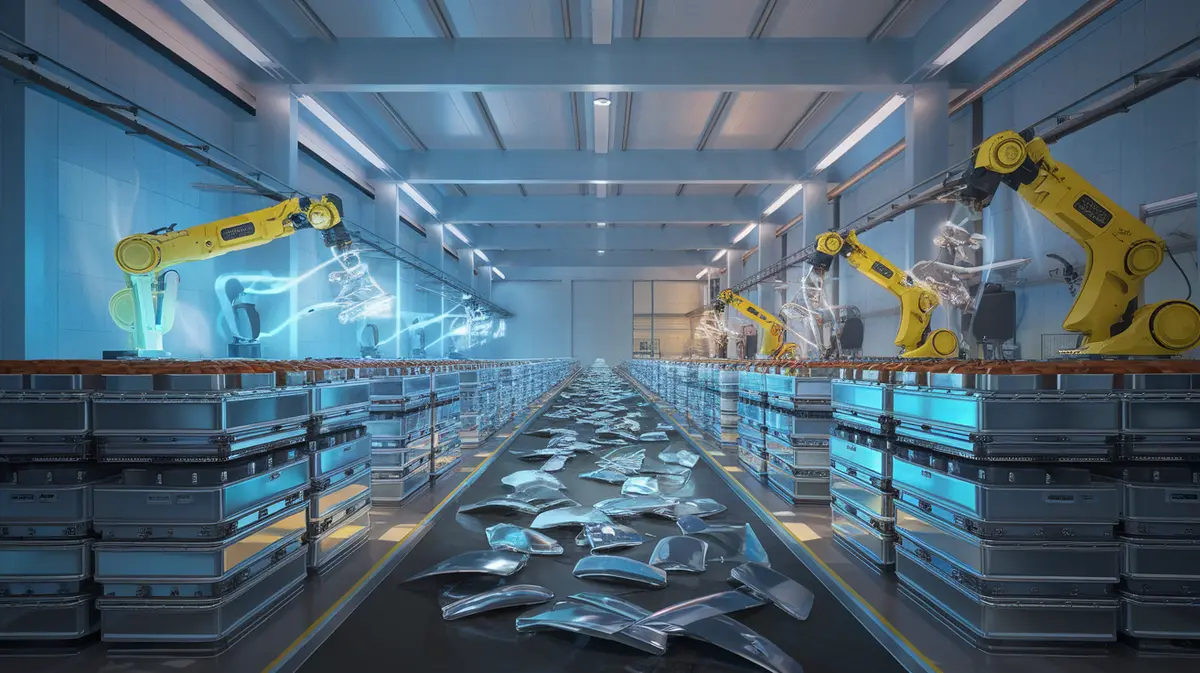
Almost every recycling route begins the same way. Spent packs are safely discharged, dismantled, and fed into a shredder, and the shredded cells are processed to strip out the steel, aluminum, and copper. What is left is a dark, powdery mix of the valuable electrode materials - the industry calls it black mass. Black mass is the raw ore of the urban mine, a concentrate rich in lithium, nickel, cobalt, manganese, and graphite. The real contest in 2026 is over what happens next - how you turn that black powder back into battery-grade metal.
Three Ways to Reclaim the Metals
There is no single winning process, and the leading companies are placing different bets on three broad approaches, each with its own trade-offs.
1. Pyrometallurgy
The old-school route: smelt the battery at high heat to pour off nickel and cobalt alloys. Robust and simple, but it burns energy and tends to lose the lithium and graphite in the slag.
2. Hydrometallurgy
The 2026 workhorse: dissolve black mass in chemical leaching solutions, then selectively precipitate each metal back out. It recovers more than 95 percent of the lithium, nickel, and cobalt at high purity.
3. Direct Recycling
The moonshot: repair and reuse the cathode crystal whole instead of breaking it down to atoms, skipping the most energy-hungry steps and saving the value built into the material.
Most of the industry now leans on hydrometallurgy because it captures the lithium that smelting throws away and produces refined metal salts a cathode maker can use directly. Direct recycling is the frontier everyone is watching: if you can rejuvenate a used cathode without dissolving it, you keep the expensive crystal structure intact and cut cost and emissions dramatically. The catch is that it demands clean, well-sorted feedstock and struggles with the mixed chemistries that show up in a real recycling stream.
Closing the Loop
The prize is not just recovered metal - it is a closed loop. The vision that defines the leading players in 2026 is to take in dead batteries and manufacturing scrap at one end and ship out finished cathode and anode material at the other, so a retired car battery becomes the raw material for a new one without a single new mine. That loop is what turns recycling from an environmental nice-to-have into a strategic supply chain that governments now treat as critical-mineral security.
"The goal was never to be a scrapyard. The goal is to make new battery materials from old batteries, on the same continent, so a nation can build clean energy without being at the mercy of where the ore happens to sit in the ground."
Who Is Building the Urban Mine
Redwood Materials, founded by a former Tesla co-founder, has become the flagship, taking in a large share of North America’s end-of-life batteries and building domestic cathode and anode-copper production to feed cell makers directly. Ascend Elements champions a hydro-to-cathode process it calls Hydro-to-Cathode that skips straight from black mass to finished cathode powder, along with direct-precursor work. Li-Cycle runs a hub-and-spoke model, shredding batteries into black mass at regional spokes and refining it into battery-grade salts at central hubs. Cirba Solutions operates a broad network of collection and processing sites across North America, while Europe’s Northvolt Revolt and specialists like Ascend and others push recycled content into new gigafactory lines. Together they are stitching together the missing back half of the battery supply chain.
| Approach | How It Works | Best For |
|---|---|---|
| Pyrometallurgy | High-heat smelting to alloys | Mixed, dirty, or unknown feedstock |
| Hydrometallurgy | Chemical leaching and precipitation | High-purity lithium, nickel, cobalt recovery |
| Direct Recycling | Rejuvenate the cathode whole | Clean, sorted, single-chemistry scrap |
The Honest Trade-offs
Urban mining is not free money. Collecting, sorting, and safely transporting spent lithium-ion batteries is expensive and tightly regulated because damaged cells can catch fire. Chemistries are a moving target - as makers shift toward cheaper lithium iron phosphate cells that contain no cobalt or nickel, the metal value in each pack drops, squeezing recyclers who counted on those pricey metals. And the biggest bottleneck is simply supply: there are still not enough dead EV batteries to fill the plants being built, so today’s recyclers lean heavily on factory scrap while they wait for the retirement wave. A coming wildcard is the battery passport - a digital record of what is inside each pack and where it came from - which could make sorting and recycling far cheaper by telling a recycler exactly what it is holding.
Why It Matters for Business
Battery recycling is quietly becoming one of the load-bearing technologies of the clean-energy economy. For automakers and cell manufacturers, recycled material is a hedge against volatile mineral prices and geopolitical supply shocks. For any company running a fleet, a warehouse of power tools, or a bank of grid storage, end-of-life batteries are shifting from a disposal liability into an asset with resale value. And for regions chasing energy independence, the urban mine offers something a foreign ore body never can: a domestic, renewable source of critical minerals that grows every year as more batteries are built. The metals were always going to outlast the batteries - the story of 2026 is that we finally built the industry to catch them.