eSIM and iSIM in 2026: How the SIM Card Disappeared Into the Chip, What SGP.32 Changes for IoT, and Why Switching Carriers Finally Got Easier
- Internet Pros Team
- August 26, 2026
- Networking & Security
For thirty years, joining a mobile network meant receiving a small piece of plastic in the post and pushing a pin into the side of a phone. That piece of plastic was never the point. It was a container for a secure chip holding the credentials that prove to a network that you are a paying subscriber. In 2026 the container is gone on most new hardware, the chip has moved onto the circuit board or into the processor itself, and the credentials arrive over the air in about ninety seconds.
What a SIM Card Actually Was
A SIM is a tiny tamper-resistant computer. It stores a subscriber identity, a secret key that never leaves the chip, and enough logic to answer a cryptographic challenge from the network without ever revealing that key. Everything else about the card - the size, the plastic, the notched corner - was packaging that shrank four times over the years while the silicon inside barely changed.
An eSIM keeps the same security model and throws away the packaging. The chip, properly called an eUICC, is soldered to the board during manufacturing. What makes it useful is not that it is small but that it is rewritable: it can hold multiple carrier profiles and download new ones after the device has left the factory. The physical card was single-carrier for life. The embedded one is a slot you can rent out.
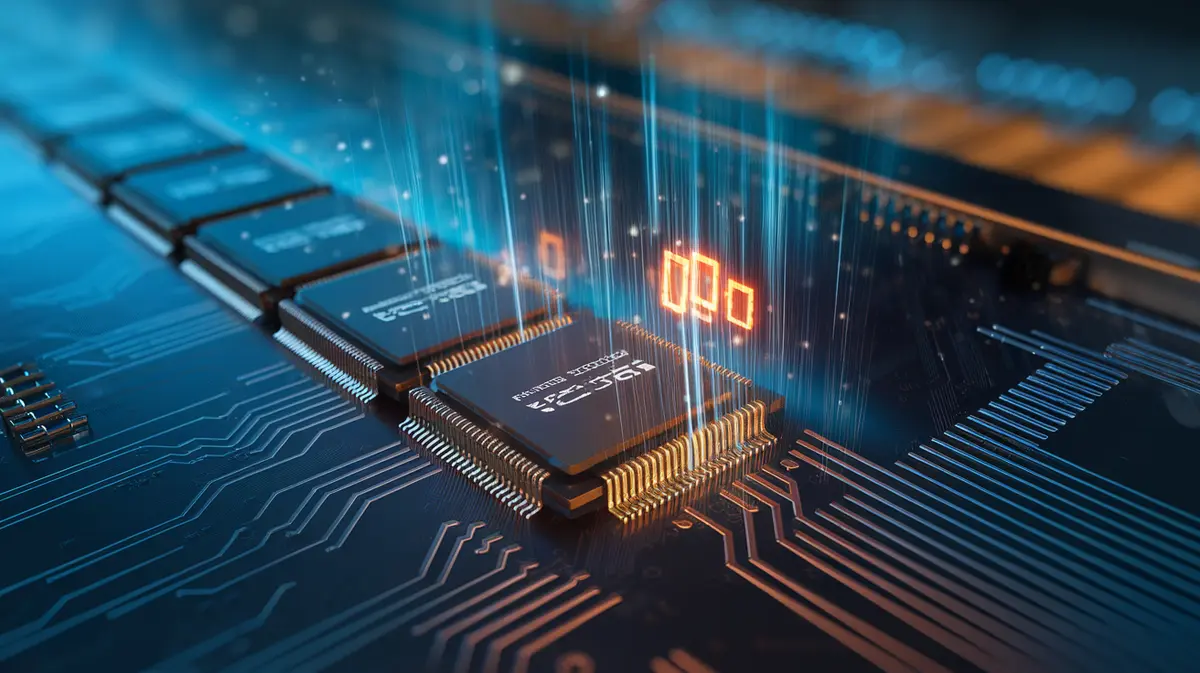
An iSIM goes one step further and deletes the separate chip entirely, moving the secure element into a protected region of the main processor. The advantage is measured in millimetres and milliwatts, which sounds trivial until you are designing a sensor that must run for a decade on one battery, or a wearable where board space is the binding constraint.
The SIM never had to be removable. It was removable because in 1991 there was no other way to deliver a secret key to a phone.
How a Profile Actually Gets On the Device
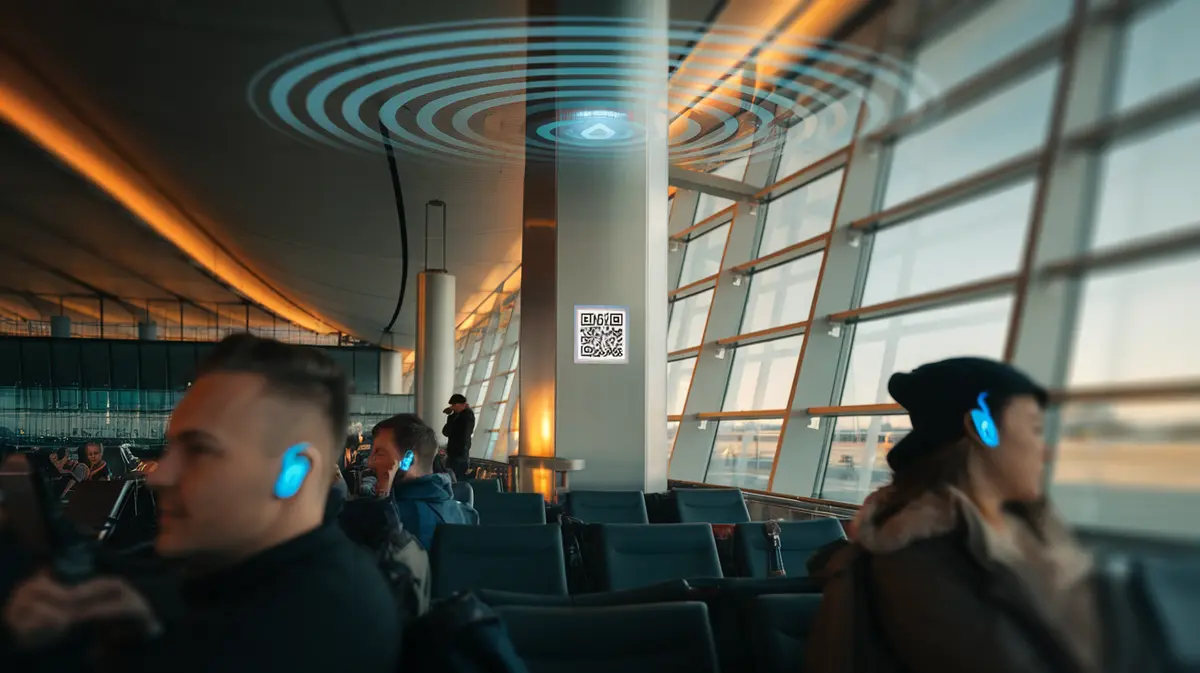
The mechanism is more ordinary than the marketing suggests. Your carrier prepares a profile on a server called an SM-DP+ and hands you a pointer to it, usually as a QR code, an activation code, or a push from the carrier app. The device contacts that server, proves it is a genuine eUICC using certificates burned in at manufacture, downloads the encrypted profile, and installs it. Nothing sensitive is readable in transit and nothing usable is left on the server afterwards.
Two consequences follow. The first is that activation stopped being a logistics problem. There is no inventory, no courier, no store visit, and no waiting until Monday. The second is subtler and matters more: because the eUICC can hold several profiles at once, a single device can carry a work line and a personal line, or a home plan and a local plan while travelling, and switch between them in software.
| Approach | Where the secure element lives | Best fit | Trade-off |
|---|---|---|---|
| Removable SIM | Plastic card in a tray | Older handsets, easy device swaps, some prepaid markets | Physical logistics, one carrier per card, a hole in the chassis |
| eSIM (eUICC) | Dedicated chip soldered to the board | Phones, tablets, laptops, connected vehicles, wearables | Device-bound, so transfers depend on carrier and OS support |
| iSIM | Secure enclave inside the main processor | Low-power IoT, trackers, meters, space-constrained designs | Requires a chipset that supports it; no swapping the module later |
SGP.32 and the IoT Problem Nobody Solved Until Now
The consumer version of eSIM worked because a human was present. Someone scans a code, taps confirm, reads an error message when it fails. That assumption collapses for a shipping container tracker in a port, a water meter in a basement, or fifty thousand agricultural sensors that will never see a screen or a person again.
The earlier machine-to-machine standard tried to solve this but tied provisioning to the carrier already on the device, which produced a circular dependency: to change carriers, the current carrier had to cooperate, and if the current connection was dead, nothing could be changed at all. Fleets got stranded on networks that had lost coverage or raised prices.
GSMA SGP.32 breaks that loop. It introduces an eSIM IoT Remote Manager that can instruct devices independently of the network they happen to be using, over whatever bearer is available, and it lets an operator manage an entire fleet from one console rather than device by device. In practical terms it makes cellular IoT hardware genuinely portable between carriers for the first time, which changes the negotiating position of everyone buying connectivity in volume.
Where This Actually Shows Up in a Business
- Travel. A local data profile bought in two minutes replaces roaming charges that used to arrive as a surprise line item weeks later.
- Device provisioning. New laptops and tablets with built-in cellular can be activated centrally, so a remote hire is online before the courier has left the depot.
- Separation of work and personal. Two profiles on one handset is a cleaner answer to bring-your-own-device than a second phone nobody carries.
- Fleet economics. Under SGP.32, a connectivity contract is no longer a decade-long commitment welded into the hardware.
- Security posture. There is no card to remove, clone from a drawer, or socially engineer out of a retail store, though SIM-swap fraud at the account level remains entirely possible.
The Parts That Are Still Awkward
Removing the tray removed a fallback. Handing a working card to a colleague when a phone dies took five seconds; moving an eSIM profile to a borrowed device requires the carrier to permit a transfer, the operating systems to agree, and a network connection to complete it. That is usually fine and occasionally maddening at exactly the wrong moment.
Carrier support is also uneven outside major markets. Prepaid plans, smaller regional operators, and some enterprise arrangements still assume plastic, and a device with no tray simply cannot use them. Second-hand resale gets more complicated too, since a profile is bound to hardware rather than to a card that travels with the owner.
There is a structural concern worth naming. The infrastructure that decides which profiles may be installed is controlled by a small number of platform and standards bodies, and a switching process that is trivial in software can still be made difficult by policy. The technology removed the physical lock-in. Whether the commercial lock-in follows is a business question, not an engineering one.
What To Do About It
If you buy phones for a team, check eSIM transfer support with your carrier before the next hardware refresh rather than during the first emergency. If you deploy anything cellular that is not a phone, ask suppliers directly whether their modules are SGP.32 capable, because that single answer determines whether you can change providers in year three without touching the hardware.
And if you are still budgeting for international roaming as a fixed cost of doing business, that line is now optional. The SIM card did not get smaller this time. It stopped being an object at all, and most of the benefit comes from treating it that way.