Silicon Anode Batteries in 2026: How Sila, Group14, Amprius, and Enovix Are Boosting EV Range and Charging Speed With Silicon-Dominant Cells
- Internet Pros Team
- June 8, 2026
- AI & Technology
For three decades, almost every lithium-ion battery on Earth has stored its charge in the same humble material: graphite. In 2026 that is finally changing. A wave of companies - Sila Nanotechnologies, Group14, Amprius, and Enovix - are replacing some or all of that graphite with silicon, a material that can hold roughly ten times more lithium by weight. The payoff is the holy grail of the battery world: more range, faster charging, and smaller packs, all without reinventing the factory. This is the quiet chemistry shift that is making EVs go farther, phones last longer, and drones fly longer - and it is shipping in real products right now.
Why Silicon Beats Graphite
A battery anode is the electrode that stores lithium ions while the cell is charged. Graphite has been the default because it is cheap, stable, and predictable - but it is also near its physical limit. Its theoretical capacity is about 372 mAh/g. Silicon, by contrast, can theoretically store around 3,600 mAh/g - close to a tenfold increase. Swap even part of the graphite for silicon and you can pack meaningfully more energy into the same space.
If silicon is so much better, why did it take until 2026? One brutal problem: swelling. When silicon absorbs lithium, it expands by up to 300% in volume, then shrinks again when discharged. Imagine a sponge that triples in size every time you charge your phone. That repeated expansion cracks the silicon, shreds the protective film around it, and kills the battery within a few hundred cycles. Taming that swelling is the entire engineering story of the last decade.
"Everyone has known since the 1990s that silicon could store far more lithium than graphite. The hard part was never the chemistry textbook - it was building a silicon structure that survives expanding and contracting thousands of times. The companies winning in 2026 are the ones that solved mechanical durability, not just energy density."
How Engineers Tamed the Swelling
The breakthroughs that made silicon practical all share one idea: give the silicon room to breathe. Rather than using solid lumps of silicon, manufacturers engineer the material at the nanoscale so it can expand internally without destroying the electrode.
Silicon-Carbon Composites
Silicon is grown inside a porous carbon scaffold with built-in empty space. The silicon expands into the voids instead of cracking outward - the approach behind Group14 and Sila powders.
Nanostructured Silicon
Nanowires and nano-particles are small enough that they flex and accommodate strain without fracturing, letting cells run at very high silicon content - Amprius uses a silicon nanowire design.
Mechanical Constraint
A stiff cell architecture physically holds the anode in place so swelling cannot deform it - Enovix builds a 3D structure with safety features like BrakeFlow to contain expansion.
Who Is Shipping Silicon in 2026
| Company | Approach | 2026 Status |
|---|---|---|
| Sila Nanotechnologies | Titan Silicon, a drop-in silicon-carbon anode powder that replaces graphite on existing lithium-ion lines for a claimed 20-40% energy-density gain. | Moses Lake, Washington plant ramping; powering the silicon anode in the Mercedes-Benz G-Class electric and other automotive programs. |
| Group14 Technologies | SCC55 silicon-carbon material engineered inside a hard carbon scaffold; sold as a drop-in additive scaling from blends to silicon-dominant. | Commercial factories in Washington and South Korea (with SK); supplying consumer-electronics and EV cell makers worldwide. |
| Amprius Technologies | SiCore and SiMaxx silicon-nanowire anodes tuned for record gravimetric energy density (450+ Wh/kg in top cells). | Shipping to drone, electric-aviation, and defense customers; scaling a Colorado manufacturing facility. |
| Enovix | A 100% active silicon anode held in a 3D cell architecture with the BrakeFlow safety mechanism, targeting phones, wearables, and AR glasses. | High-volume Fab2 in Malaysia ramping; sampling smartphone and AI-wearable batteries to major OEMs. |
The Drop-In Advantage Over Solid-State
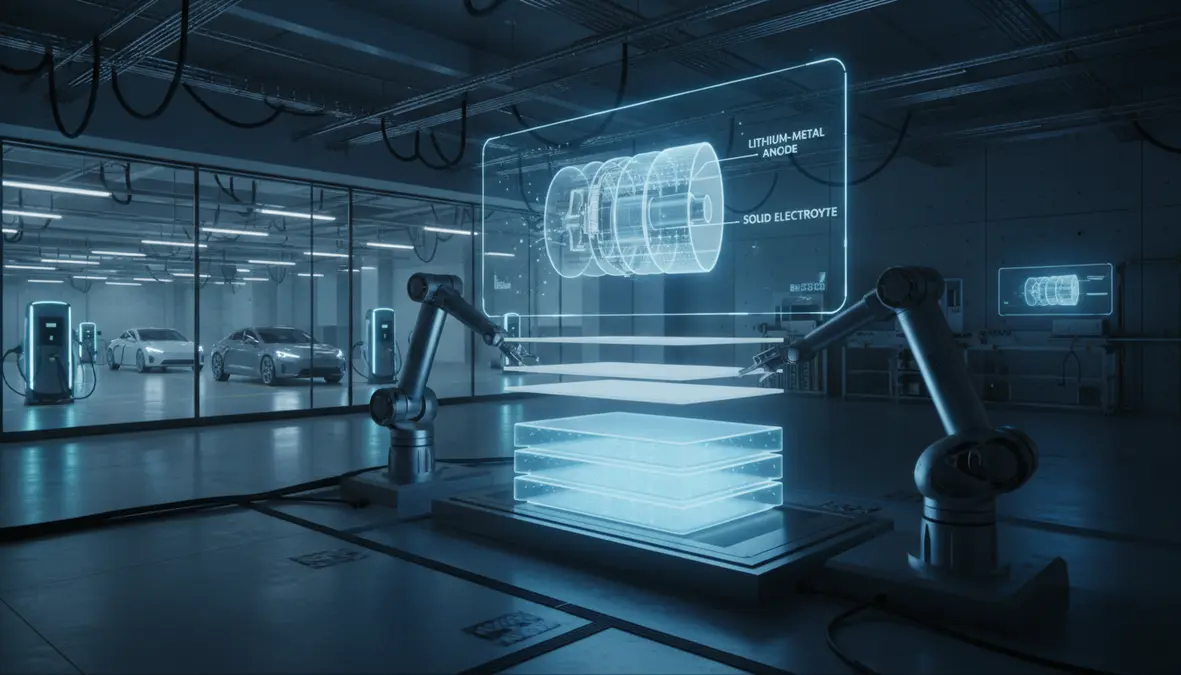
Silicon anodes have a strategic edge over the more hyped solid-state battery: most silicon materials are drop-in. They use the same liquid electrolyte, the same separators, and the same multi-billion-dollar coating and assembly equipment that gigafactories already run. A cell maker can boost energy density by swapping a powder, not by rebuilding a factory. Solid-state, by contrast, still needs entirely new manufacturing processes that have proven stubbornly hard to scale. That is why silicon is reaching real cars and devices years before solid-state does.
What Silicon Anodes Unlock
- More range or smaller packs. A 20-40% denser anode means an EV can go farther on the same pack - or carry a lighter, cheaper pack for the same range.
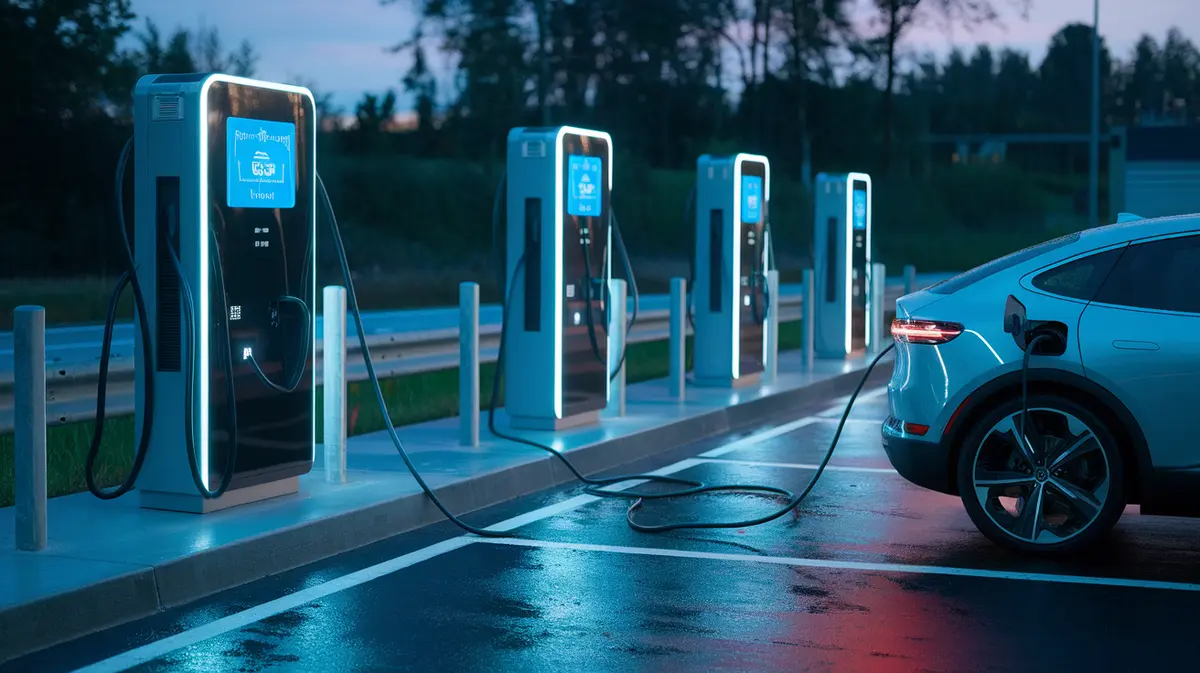
- Genuinely fast charging. Silicon accepts lithium quickly, enabling 10-to-80% charges in roughly 10-15 minutes in well-designed cells.
- Thinner, longer-lasting devices. A phone or pair of smart glasses can shrink the battery or stretch the runtime - critical for power-hungry on-device AI.
- Flight that was impossible before. Drones and eVTOL aircraft live and die by energy per kilogram, where high-silicon cells deliver their biggest wins.
The Honest Trade-Offs
Silicon is not magic, and the remaining challenges are real:
- Cycle and calendar life. High-silicon cells historically fade faster than graphite. The 2026 winners have closed much of this gap, but durability at very high silicon content is still where the hardest engineering happens.
- First-cycle losses. Silicon consumes extra lithium when it forms its first protective layer, so makers add pre-lithiation steps to claw back the lost capacity.
- Cost and supply. Engineered silicon-carbon powders are pricier than commodity graphite today; scale and competition are bringing the cost curve down quickly.
What This Means for Business and Product Leaders
- Battery specs are about to jump again. If your product or fleet depends on range, runtime, or charge time, expect a step-change as silicon content rises across 2026-2028 - plan refresh cycles around it.
- Drop-in beats moonshots for timing. Silicon ships now because it reuses existing factories. When you evaluate battery roadmaps, weight near-term, manufacturable gains over decade-out promises.
- Read the fine print on cycle life. A headline energy-density number means little without the cycle-life and fast-charge conditions behind it. Ask vendors for the full datasheet.
- Energy density enables new categories. Lighter, denser cells are what make practical electric aviation, all-day AI wearables, and long-endurance drones viable - not just better versions of today's products.
The Bottom Line
Silicon anode batteries are the rare breakthrough that arrives without fanfare because it slips into the supply chain that already exists. Sila and Group14 are selling drop-in powders that make any lithium-ion cell denser; Amprius is pushing energy density to levels that make electric flight realistic; and Enovix is putting nearly pure silicon into the phones and glasses that run on-device AI. The 300% swelling problem that blocked silicon for a generation has been engineered into submission with porous scaffolds, nanostructures, and clever cell design.
The result is a battery revolution you will feel before you read about it - in an EV that adds a hundred miles of range, a phone that survives a heavy day of AI workloads, or a drone that stays aloft twice as long. Solid-state may still grab the headlines, but in 2026 the technology quietly upgrading the batteries in your driveway and your pocket is silicon. The question for any company building hardware is simple: when your next product ships, will its battery be running on the chemistry of the last thirty years - or the one that finally moved beyond graphite?